
The Costa Brava is known today for its coves, its spectacular scenery and its tourist attraction. However, long before becoming one of the most visited destinations in the Mediterranean, this coastline was already deeply linked to the sea. For centuries, numerous generations of men and women developed their lives around maritime activities that contributed to the economic and social growth of towns such as Palamós, Calella de Palafrugell, Llafranc, Tamariu or Begur.
Behind each port, each traditional boat and many of the buildings that are still preserved today, there is a history linked to the Costa Brava seafaring tradition. Knowing these professions helps to better understand the identity of this territory and allows us to discover a Costa Brava very different from the one we see today.
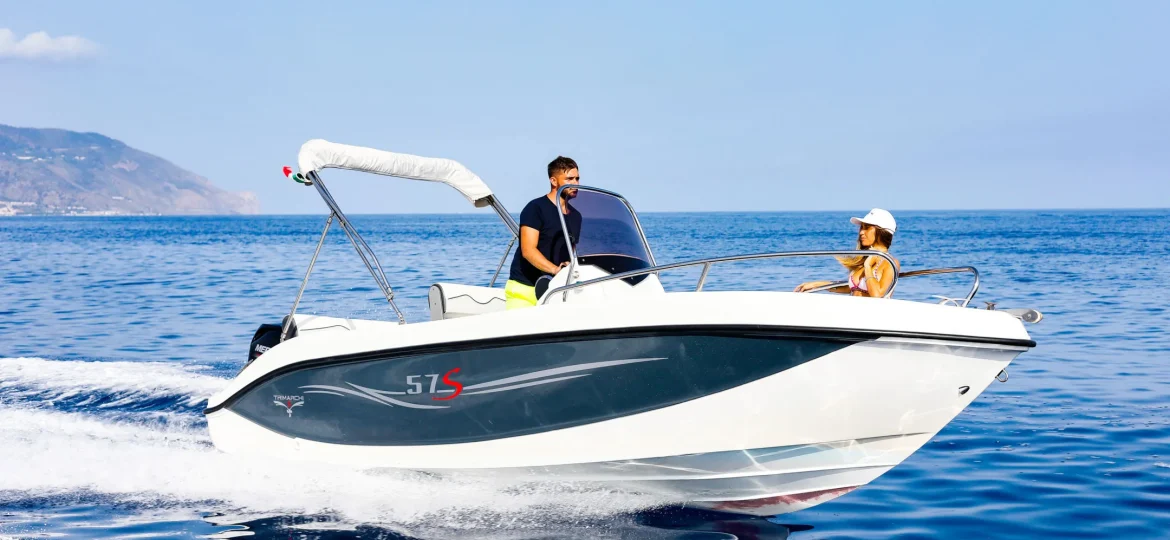
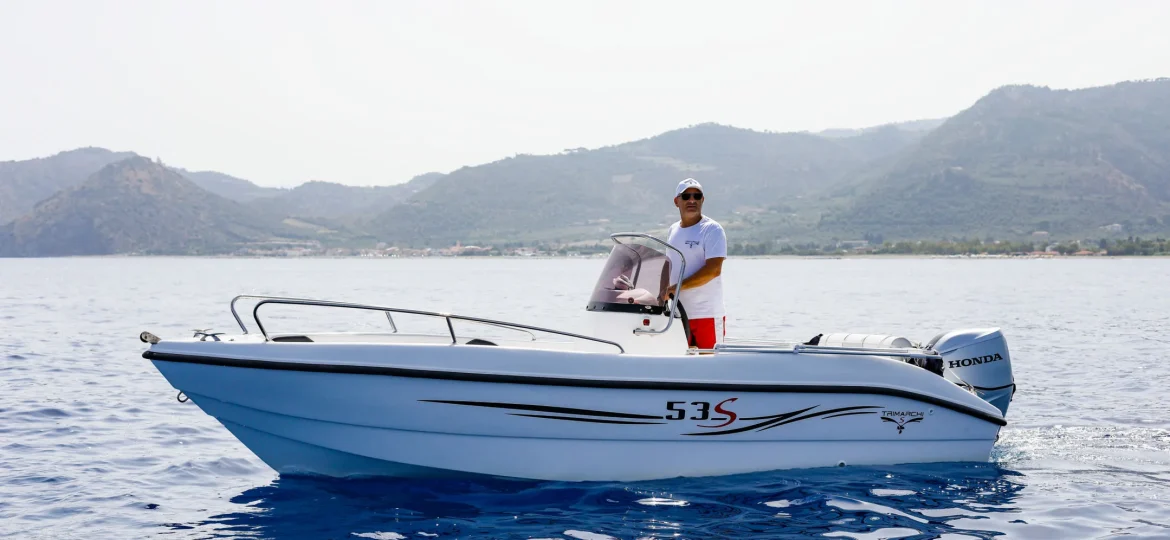
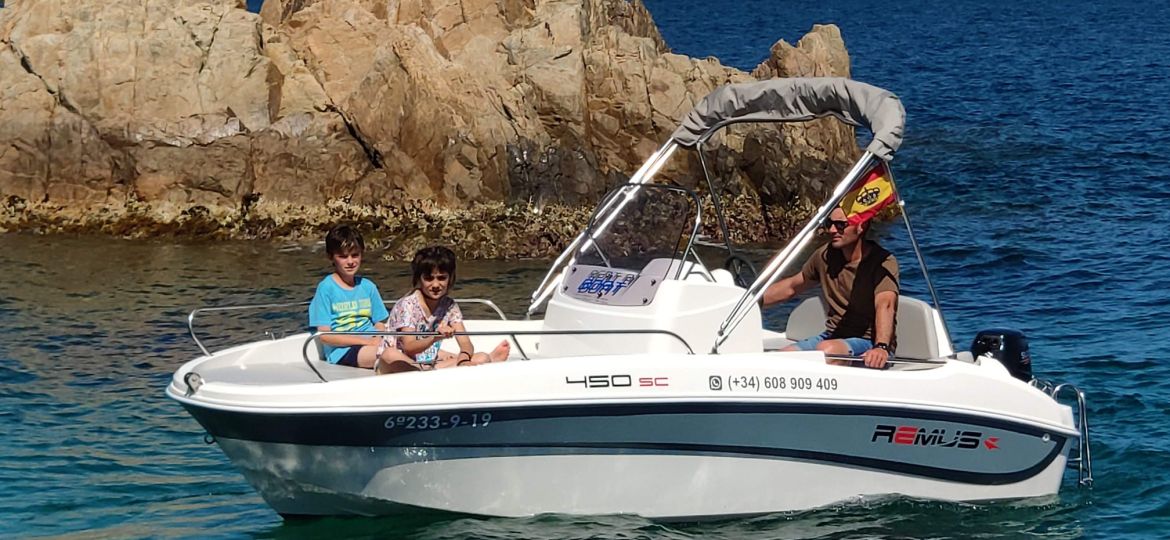
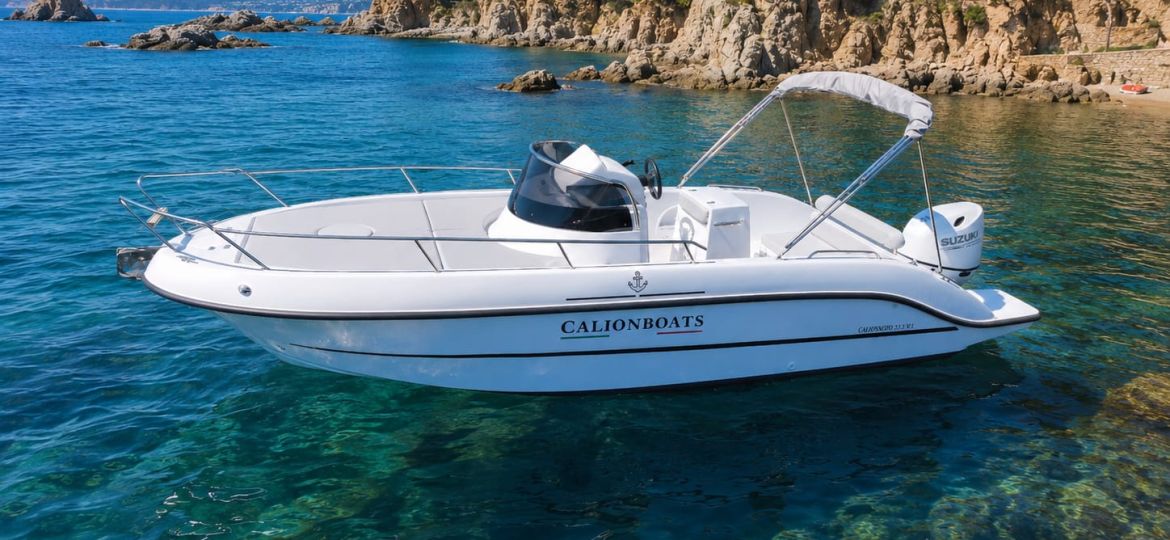
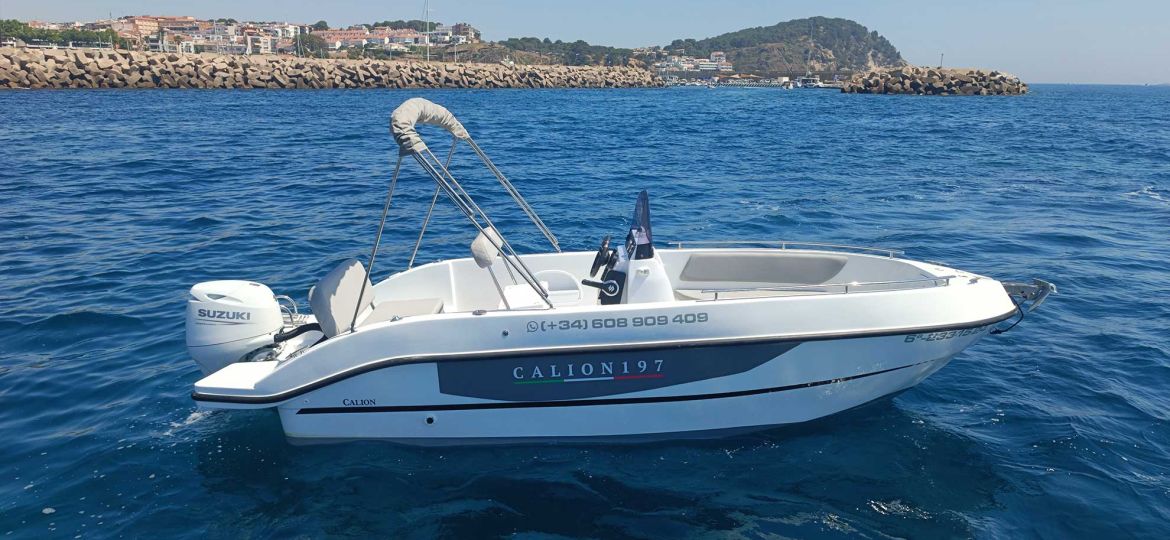
Today, those who enjoy a boat rental in Palamós sail along a coastline that for centuries was the scene of intense activities related to fishing, trade and navigation.
Fishermen: the soul of the Costa Brava
If there is a profession that represents the essence of the Costa Brava seafaring tradition, it is undoubtedly that of fisherman.
For generations, fishing was the main means of subsistence for many families. Every early morning, small boats would set out to sea in search of fresh fish that would later be sold in local markets and fish markets.
Fishing activity conditioned the life of entire villages. Schedules, festivities and even urban development were closely related to the sea.
In places like Palamós, fishing continues to be of great importance. In fact, the Palamós shrimp continues to be one of the most renowned gastronomic products of the Mediterranean.
Although techniques have evolved enormously, it is still possible to observe fishing boats entering the port and remember the fundamental role that Costa Brava fishermen have played in the construction of the local identity.
Shipbuilders
Another fundamental profession was that of the master shipwrights.
These craftsmen were in charge of designing, building and repairing wooden boats adapted to the needs of each coastal area.
Before the advent of modern materials, shipbuilding required a thorough knowledge of:
- the right woods
- the strength of the structures
- the behavior of the sea
- the needs of each fishing activity
The master shipwrights played an essential role in the local economy. Without them, many of the maritime activities would have been impossible.
Today, some traditional boats preserved in museums and marinas allow us to appreciate the quality and precision of these craftsmen.
Coastal sailors
Not all maritime activity was related to fishing.
For centuries, many sailors were engaged in the transport of goods between different Mediterranean ports. This activity was known as cabotage navigation.
The ships traveled relatively short routes transporting products such as:
- wine
- oil
- cereals
- salt
- fabrics
- tools
These maritime connections allowed the economic growth of many coastal towns and favored commercial exchange with other regions of the Mediterranean.
The strategic location of the Costa Brava made several of its ports important points on these trade routes.
Coral reefers and marine resource seekers
A lesser known, but historically very important profession, was that of the coral maker.
For centuries, some sailors were dedicated to the extraction of red coral, a highly valued resource for the manufacture of jewelry and decorative objects.
This activity required experience, courage and a great knowledge of the seabed.
The coral workers worked in difficult conditions and often faced considerable risks.
Although coral extraction is currently highly regulated to protect the marine ecosystem, this activity is part of the maritime history of the Costa Brava.
Lighthouse keepers: guardians of the coastline
Before the existence of modern navigation systems, lighthouses were essential for maritime safety.
Lighthouse keepers were responsible for keeping these facilities in operation and ensuring that navigators could find their way around at night or in poor visibility conditions.
The life of the lighthouse keepers was marked by isolation and responsibility.
Many of them spent long periods of time monitoring the operation of the maritime signals.
Although today technology has automated many of these tasks, lighthouses continue to be one of the most recognizable symbols of Mediterranean maritime culture.
Network manufacturers and repairers
Behind each fishing vessel was a complex network of auxiliary professions.
Among them were the craftsmen in charge of making and repairing nets.
These tasks required patience, manual dexterity and a deep knowledge of fishing techniques.
A damaged net could mean a lost day or significant economic losses.
As a result, net repairers played a key role in fishing communities.
Although many nets are nowadays manufactured industrially, there are still professionals specialized in their maintenance.
Women of the sea
When talking about seafaring professions, the fundamental role of women is often forgotten.
Although they often did not embark, they performed numerous tasks essential to the functioning of the maritime economy.
Among other activities:
- prepared nets
- managed sales
- managed family businesses
- processed fish
- organized the logistics of the vessels
Their contribution was decisive for the development of many coastal communities.
Today, more and more women are also directly involved in nautical, fishing and maritime activities.
Ports as centers of activity
All these professionals had a common meeting point: the port.
Long before becoming tourist areas, ports were authentic economic centers where commercial, social and labor activities were concentrated.
Palamós is an excellent example of this.
Its port has been for centuries one of the economic engines of the region and continues to maintain an intense activity linked to the sea.
Nowadays, those who take one of the boat routes from Palamós can observe how recreational boats, fishing boats and other activities related to the maritime environment coexist.
A tradition that is still alive
Although many professions have evolved or disappeared, the maritime heritage is still very present on the Costa Brava.
We still find:
- fish markets
- traditional boats
- seafaring festivals
- maritime museums
- activities related to the sea
This continuity allows new generations to remain connected to an essential part of local history.
The maritime history of the Costa Brava does not only belong to the past. It is still part of the identity of many coastal towns.
From work to enjoyment of the sea
For centuries, the sea was primarily a tool for work and survival.
Today it continues to be a source of wealth, but it has also become a space for leisure and enjoyment.
Recreational boating allows you to discover many of the same landscapes that fishermen, sailors and traders contemplated hundreds of years ago.
So when someone rents a boat or enjoys a day of sailing, they are also connecting with a tradition that has accompanied the Costa Brava for generations.
Even activities as popular as sailing in boats along the boats along the Costa Brava allow you to appreciate the coastline from a perspective that historically was reserved for those who made their living from the sea.
The history of the Costa Brava cannot be understood without the people who dedicated their lives to the sea. Fishermen, boat builders, sailors, coral workers, lighthouse keepers and many other professionals contributed to the development of a territory that today still maintains a deep connection with the Mediterranean.
Getting to know these professions allows us to better understand the cultural and patrimonial richness of the Catalan coast and to value the enormous legacy left by generations of seafaring workers.
The next time you sail in front of Palamós, Begur or Calella de Palafrugell, remember that under the beauty of their landscapes hide centuries of effort, tradition and authentic Costa Brava seafaring tradition.